

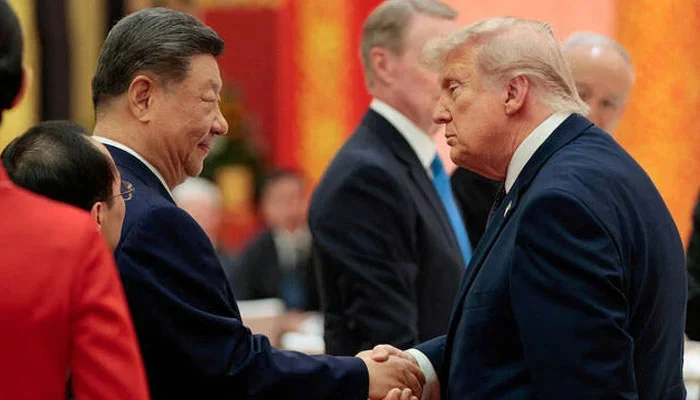
The world is currently experiencing a period of rapid transformation where international events are reshaping political alliances, economic systems, and global security structures. From rising geopolitical tensions to economic uncertainty and technological competition, nations are being forced to adapt to a constantly changing global landscape. These developments are not isolated—they are interconnected and influencing global stability in powerful ways. Understanding these shifts is essential for anyone who wants to stay informed about the future direction of world affairs.
Rising Geopolitical Tensions Reshaping Global Power Balance
Increasing Strategic Rivalries Between Major Nations
Global power competition is intensifying as leading countries compete for influence in trade, defense, and technology. These rivalries are not only political but also economic, creating pressure on international cooperation. As nations strengthen their strategic positions, global diplomacy is becoming more complex and less predictable.
Shifting Military Alliances and Defense Strategies
Many countries are revising their defense policies and strengthening alliances to secure national interests. Military collaborations are expanding in key regions, while some traditional alliances are being re-evaluated. This shift reflects growing concerns over regional security and global conflict prevention.
Impact on International Diplomacy and Peace Efforts
Diplomatic efforts are increasingly challenged by conflicting national interests. Negotiations on global issues such as security, trade, and territorial disputes are becoming more difficult. Despite these challenges, international organizations continue working to maintain dialogue and prevent escalation.
Global Economic Uncertainty and Financial Instability
Fluctuating Markets and Inflation Pressures
The global economy is facing significant uncertainty due to fluctuating markets and rising inflation rates. These financial pressures are affecting both developed and developing countries. Businesses and consumers are adjusting to changing prices and unpredictable economic conditions.
Supply Chain Disruptions Affecting Global Trade
International supply chains continue to face disruptions caused by geopolitical issues, transportation delays, and resource shortages. These disruptions are impacting industries worldwide, slowing down production and increasing costs. As a result, countries are exploring ways to build more resilient supply systems.
Currency Shifts and Financial Policy Changes
Many nations are adjusting their monetary policies to stabilize their economies. Currency fluctuations are influencing global trade and investment decisions. Central banks are implementing new strategies to manage inflation and support economic growth in uncertain times.
Technological Competition and Global Digital Transformation
Accelerating Race in Artificial Intelligence Development
Artificial intelligence has become a key area of global competition, with countries investing heavily in innovation and research. This technological race is shaping industries such as healthcare, finance, and defense. AI advancements are also raising questions about ethics and regulation.
Expansion of Cybersecurity Challenges Worldwide
As digital systems grow, so do cybersecurity threats. Governments and organizations are facing increasing risks of cyberattacks targeting sensitive data and infrastructure. Strengthening digital security has become a top global priority.
Digital Economy Growth and Innovation Trends
The global digital economy is expanding rapidly, driven by online platforms, fintech solutions, and remote technologies. This transformation is changing how businesses operate and how people interact economically. Digital innovation continues to redefine global competitiveness.
FAQs
What are the main factors affecting global stability today?
Geopolitical tensions, economic uncertainty, and technological competition are the key factors influencing global stability.
How do international events impact everyday life?
They affect prices, job markets, security, and access to global goods and services.
Why are global supply chains under pressure?
They are disrupted by political conflicts, transportation issues, and resource shortages.
How is technology influencing international relations?
Technology is increasing competition between nations while also creating new economic opportunities and security challenges.
Will global instability continue in the future?
Experts suggest that instability may continue in the short term as nations adjust to new global realities.
Conclusion
The current wave of international events is significantly reshaping global stability, influencing everything from politics and economics to technology and security. As nations navigate rising tensions, economic uncertainty, and rapid digital transformation, the world is entering a new phase of interconnected challenges. Staying informed about these developments is essential to understanding how the global order is evolving and what it means for the future.
