

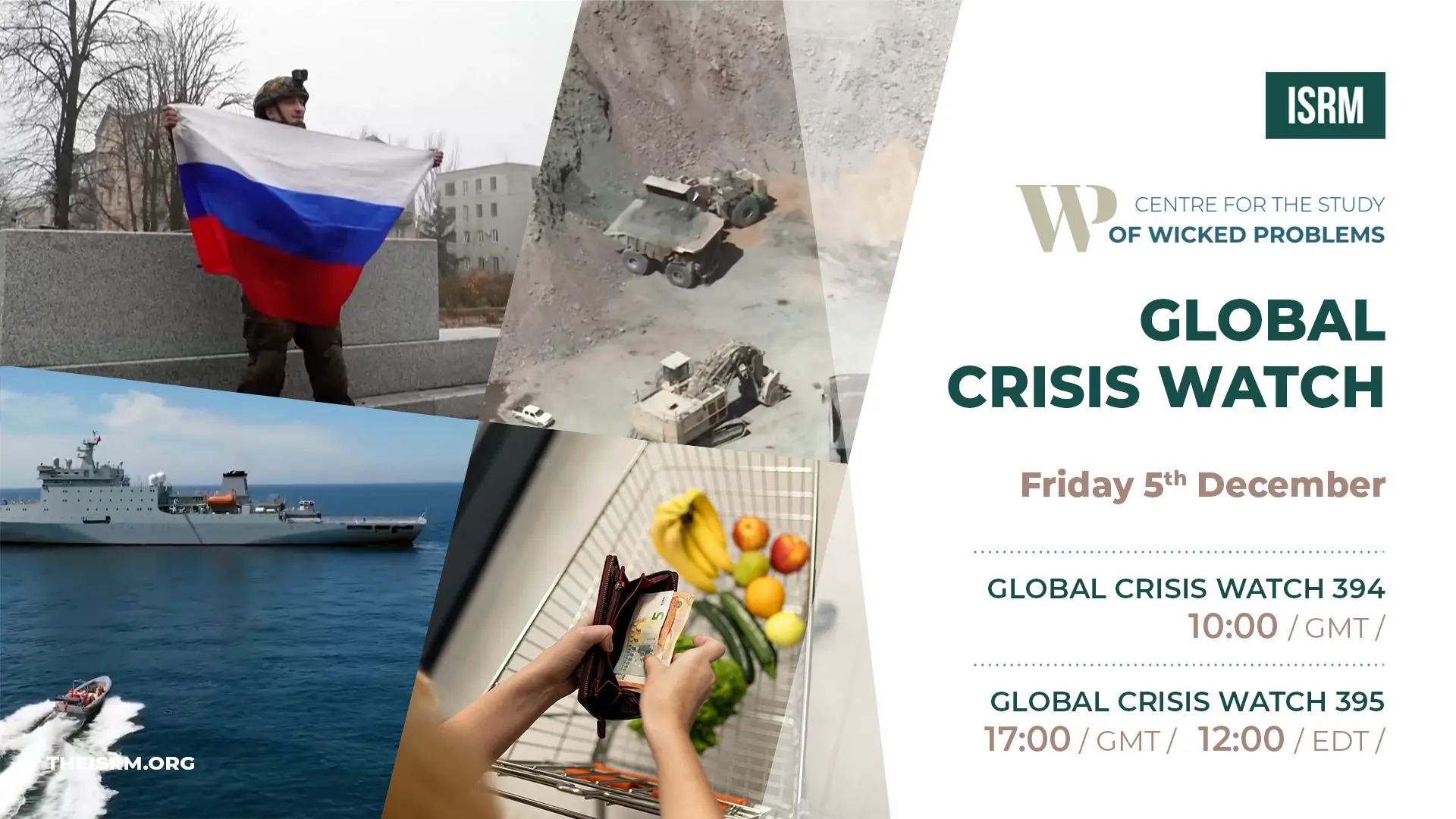
The world is experiencing a period of rapid transformation where political tensions, economic instability, technological disruption, and environmental challenges are reshaping how countries interact with each other. Global crisis situations are no longer isolated events; they are interconnected and evolve quickly, influencing international relations in real time. From shifting alliances to economic uncertainty and security concerns, governments are constantly adapting to fast-moving developments. Understanding these global dynamics is essential for anyone trying to make sense of today’s complex geopolitical landscape.
Rising Global Instability and Political Shifts
Changing Power Dynamics Between Nations
International relations are undergoing significant changes as global power structures shift. Traditional superpowers are being challenged by emerging economies, leading to new forms of competition and cooperation. These changes influence diplomatic decisions, trade agreements, and global security policies. Countries are now more focused on strategic alliances, regional partnerships, and long-term geopolitical positioning, making global stability more complex and unpredictable.
Diplomatic Tensions and Strategic Alliances
Diplomatic relations between countries are increasingly shaped by fast-moving political events. Nations are forming new alliances while re-evaluating old partnerships based on economic and security interests. This dynamic environment often leads to tensions in international forums where decisions must balance national priorities with global cooperation. As a result, diplomacy has become more urgent and reactive than ever before.
Impact of Political Uncertainty on Global Cooperation
Political uncertainty within countries directly affects international collaboration. Leadership changes, policy shifts, and internal conflicts can delay global agreements and reduce trust between nations. This instability makes it harder to address shared challenges such as trade regulation, security threats, and humanitarian issues, ultimately slowing down global progress.
Economic Pressures and Global Market Disruptions
Inflation and Global Supply Chain Challenges
The global economy is facing ongoing pressure from inflation and disrupted supply chains. Rising costs of goods, energy shortages, and logistical delays are affecting both developed and developing nations. These disruptions force governments to rethink trade policies and economic strategies to maintain stability in uncertain conditions.
Trade Conflicts and Economic Competition
Trade relationships are becoming more competitive as countries prioritize domestic industries and economic independence. Tariffs, sanctions, and trade restrictions are increasingly used as political tools, creating tension between major economies. This shift is reshaping global markets and influencing long-term economic partnerships.
Financial Stability and Currency Fluctuations
Currency instability and financial market volatility are key concerns in global economic systems. Rapid changes in interest rates and investment flows impact both national economies and international trade. Governments and financial institutions are now focusing on risk management strategies to reduce exposure to global economic shocks.
Security Challenges and Technological Transformation
Cybersecurity Threats in Modern Conflicts
Cybersecurity has become a major element of international relations. Governments and organizations face increasing cyber threats targeting critical infrastructure, financial systems, and communication networks. These attacks can disrupt national security and create diplomatic tensions between countries, making cybersecurity a top global priority.
Military Modernization and Defense Strategies
Countries are investing heavily in advanced military technologies, including artificial intelligence, drones, and missile defense systems. This modernization is changing the nature of global security, as nations focus on deterrence and strategic advantage. Military advancements are also influencing global arms policies and defense cooperation agreements.
Technology Competition and Global Influence
Technological innovation is now a key factor in global influence. Nations leading in AI, data infrastructure, and digital systems hold significant geopolitical advantages. This competition is shaping international partnerships and increasing the importance of technology diplomacy in global relations.
Environmental Crises and Humanitarian Impact
Climate Change and Global Policy Response
Climate change is one of the most urgent global crises affecting international relations. Rising temperatures, natural disasters, and environmental degradation are forcing countries to collaborate on sustainability policies. Global agreements aim to reduce emissions, but implementation remains a challenge due to differing national interests.
Resource Scarcity and Migration Pressure
Water shortages, food insecurity, and land degradation are contributing to increased migration and regional instability. These resource challenges create humanitarian pressure on governments and influence cross-border policies. Managing migration flows has become a key issue in international cooperation.
Humanitarian Crises and Global Aid Coordination
Conflicts, disasters, and economic instability continue to create large-scale humanitarian crises. International organizations and governments must coordinate rapid responses to provide aid and support affected populations. However, political barriers and logistical challenges often delay effective assistance.
FAQs
What is a global crisis in international relations?
A global crisis refers to major events that affect multiple countries and influence political, economic, or security conditions worldwide.
Why are global events reshaping international relations?
Because countries are interconnected, fast-moving events like conflicts, economic changes, and climate issues directly impact global cooperation.
How does economic instability affect global politics?
Economic instability can lead to trade disputes, reduced cooperation, and shifts in international alliances.
What role does technology play in global crises?
Technology affects cybersecurity, military power, and global competition, making it a key factor in modern international relations.
How do countries respond to global crises?
Countries respond through diplomacy, policy changes, international agreements, and coordinated humanitarian efforts.
Conclusion
Global crises are reshaping international relations at an unprecedented speed, forcing nations to adapt to political, economic, technological, and environmental changes. These fast-moving events highlight the interconnected nature of today’s world, where no country operates in isolation. Understanding these dynamics is essential for navigating the future of global cooperation and stability, as international relationships continue to evolve under constant pressure.
