

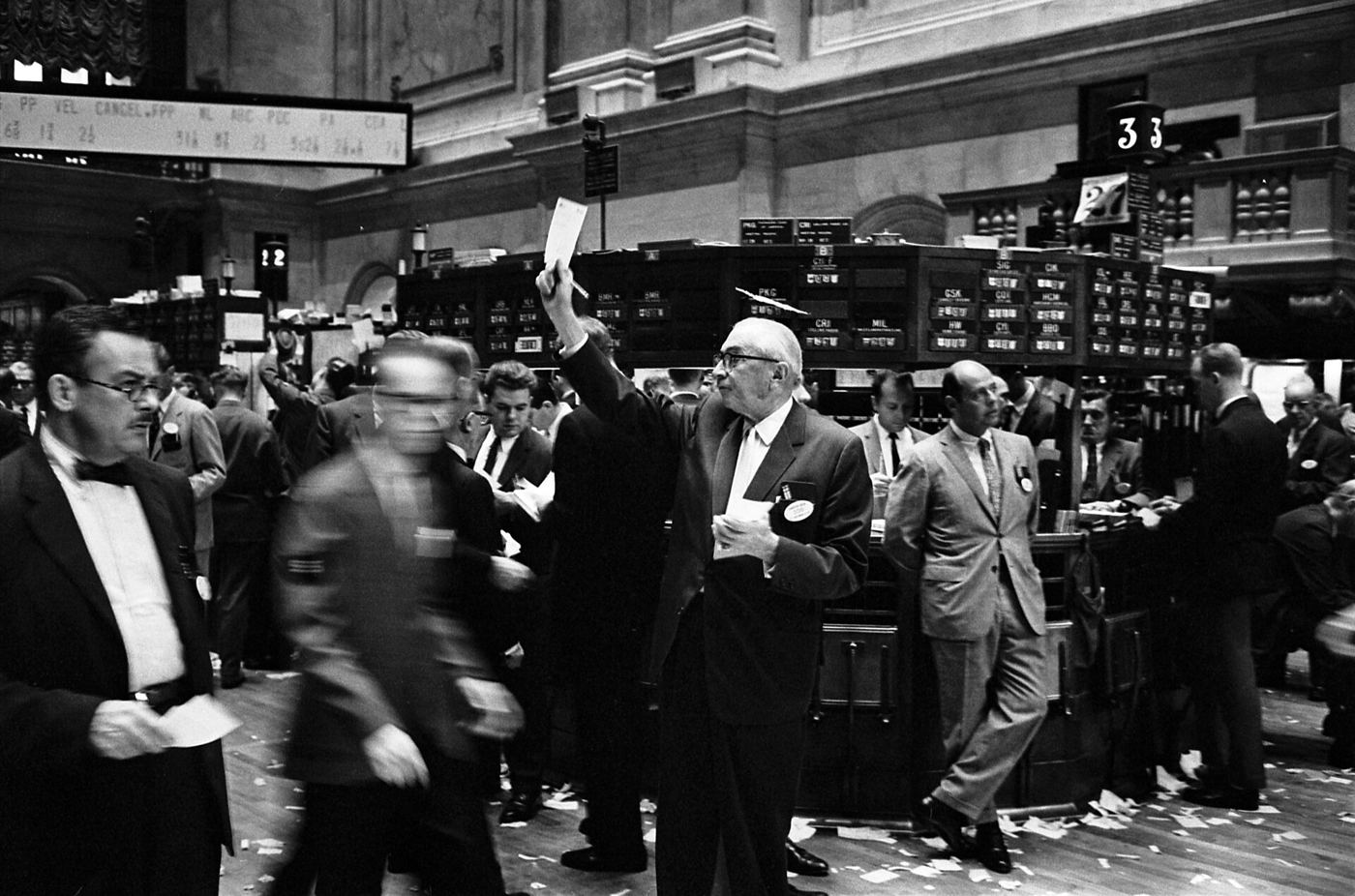
United States stock markets surged on Monday, November 23, 2026, after Nvidia reinstated Jensen Huang as chief executive, ending a leadership vacuum that had unsettled investors since his resignation on November 12. The Dow Jones rose 1,447.98 points, or 3 percent, to close at 49,595.31, while the S&P 500 jumped 4.7 percent to 7,237.17 and the Nasdaq soared 6.5 percent to 24,089.56. The S&P 500 snapped a seven-day losing streak in its biggest single-day rally of the year. Nvidia had reported record quarterly revenue of 115.8 billion dollars on November 17, its first earnings report since Huang stepped down, with longtime finance chief Colette Kress serving as interim chief executive.
What the Evidence Shows
The relief proved short-lived. In afternoon trading on Tuesday, November 24, semiconductor stocks retreated again, with Nvidia falling more than 7 percent, Micron dropping over 10 percent and AMD declining about 9 percent. By Wednesday morning, Nasdaq 100 futures were down 2.8 percent and S&P 500 futures 1.9 percent as the artificial intelligence sell-off resumed. Investors remain torn between extraordinary chip earnings and doubts about whether massive AI infrastructure spending, much of it funded through borrowing, will generate returns quickly enough. The whipsaw shows how fragile sentiment has become, with single headlines now moving the whole market by several percent in a day. The swings also mirror a broader rotation away from richly valued growth stocks, with investors questioning whether heavy borrowing for data centres can pay off. Reporting and analysis from sources such as International Monetary Fund track the same developments, and specialists following Nvidia’s Jensen Huang reinstatement rally say the direction is now consistent across independent lines of evidence.
The Wider Context
The wider context is a financial system repricing risk after a long era of cheap money. Decisions shaped by Nvidia’s Jensen Huang reinstatement rally are being made under closer supervisory attention, with stress tests and disclosure rules that assume conditions can worsen quickly. Institutions that planned for the benign case are adjusting in public, which is uncomfortable and healthy in equal measure.
What Happens Next
What happens next with Nvidia’s Jensen Huang reinstatement rally will be visible first in the data that professionals watch weekly: flows, spreads and the terms on new deals. Participants who spoke for this article expect a period of adjustment rather than drama, with the biggest effects landing on those who assumed the old conditions were permanent. Planning, as ever, is the cheapest hedge. You can follow related developments in our coverage of finance.
There is a practical lesson in all of this for readers deciding what to do today. Start with the verified facts, be wary of anyone promising certainty, and prefer reversible steps while the evidence is still developing. Circumstances differ by country, income and personal situation, so general guidance should always be weighed against your own context before you act on it in any significant or lasting way.
