

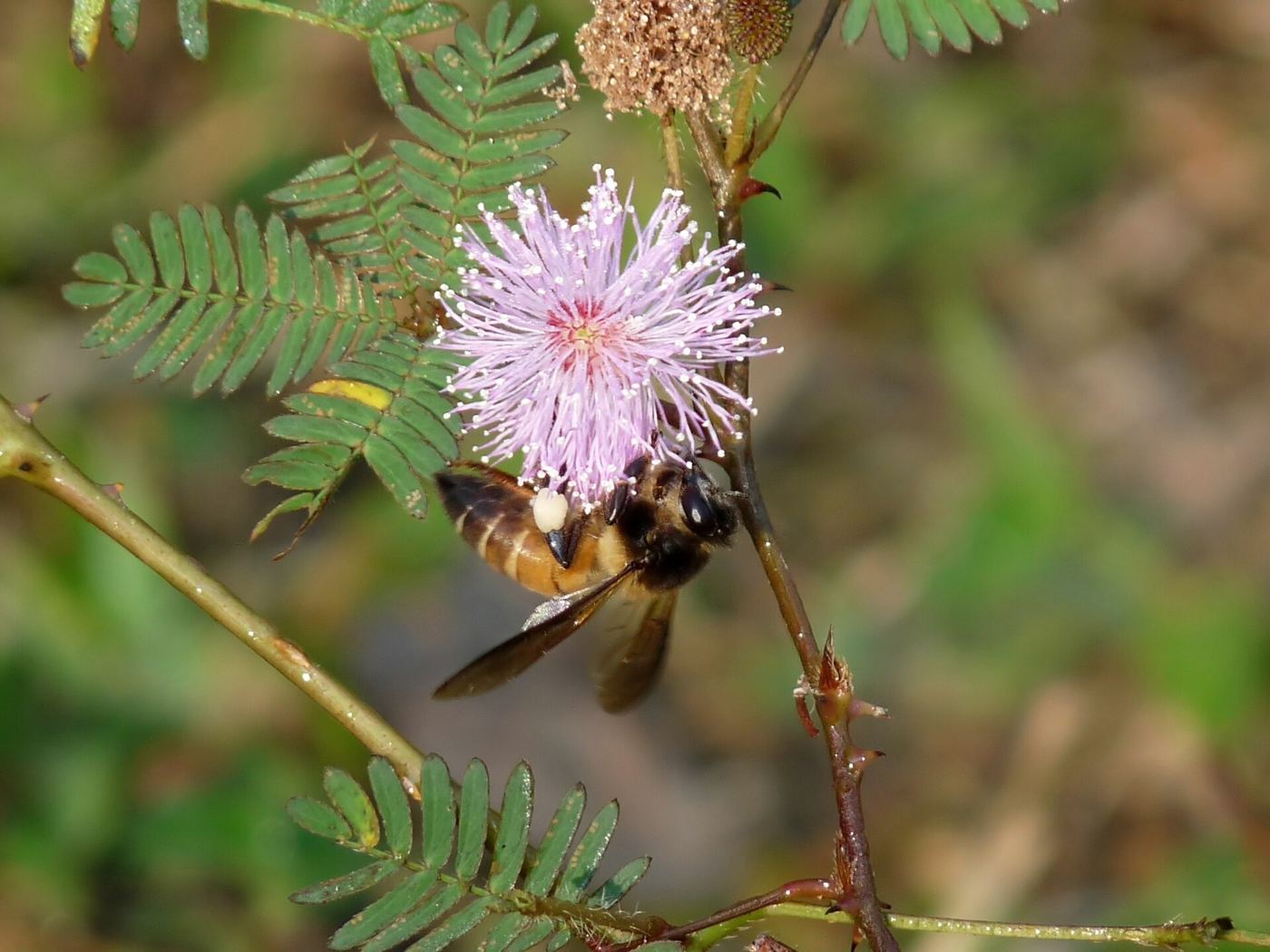
Ecologists are planting connected corridors of wildflowers between farms, gardens and road verges so honeybees and other pollinators can travel without crossing long stretches of bare ground. The corridors link existing meadows with new strips sown in sequence, ensuring flowers bloom from early spring into autumn. Surveys along pilot routes recorded more bee species and longer foraging trips than in isolated patches. Farmers involved say nearby crops benefit when pollinators can reach fields reliably. The project treats the landscape as a network, where one missing link can leave otherwise good habitat effectively unreachable for smaller insects.
What the Evidence Shows
The teams map gaps using satellite images and local records, then work with landowners to fill the shortest missing sections first. Native flower mixes are preferred because they support specialist bees that ignore many garden plants. Schools and community groups maintain some urban stretches, recording which species visit each week. Results so far suggest corridors help most during dry spells, when scattered flowers fail. Researchers now want to test whether the routes also help pollinators shift gradually as local climates warm and familiar plants flower earlier each year. Reporting and analysis from sources such as National Science Foundation track the same developments, and specialists following wildflower corridors linking pollinator habitats say the direction is now consistent across independent lines of evidence.
The Wider Context
The wider context is a research landscape in which replication and open data now decide reputations. Findings connected to wildflower corridors linking pollinator habitats are being checked by independent groups with shared datasets, and the teams involved publish their methods in full so rivals can test every step. That discipline is slower than a headline cycle, but it is why results in this area increasingly survive first contact with scrutiny.
What Happens Next
What happens next in the story of wildflower corridors linking pollinator habitats will be decided by follow-up work already under way: larger samples, longer observation and instruments that have not yet come online. The researchers involved are unusually united on one point, that the current results justify the next investment of time and money. Readers will not have to wait long for the first tests of that claim. You can follow related developments in our coverage of science.
There is a practical lesson in all of this for readers deciding what to do today. Start with the verified facts, be wary of anyone promising certainty, and prefer reversible steps while the evidence is still developing. Circumstances differ by country, income and personal situation, so general guidance should always be weighed against your own context before you act on it in any significant or lasting way.
It is also worth remembering how quickly the picture in this area has changed before. Positions that looked settled a few years ago have been revised as new data arrived, and the same humility is appropriate now. The strongest coverage of this subject, and the most useful advice, tends to come from sources that update their views openly when the facts move, rather than defending an earlier position long after it has stopped fitting the evidence available.
